


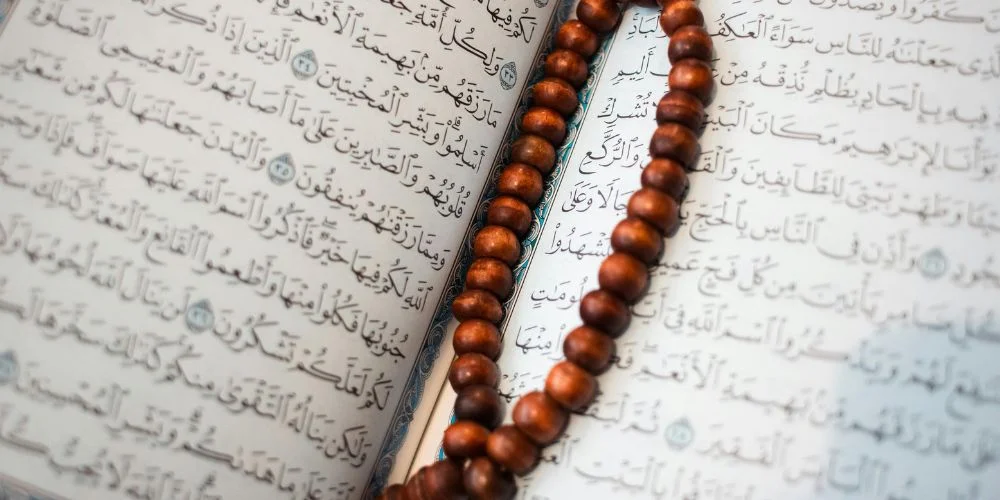
Here is something most Quran students never get told. The Quran was not revealed in a single recitation style. It came down across multiple authentic modes, each one preserved through a chain of scholars so precise that not a syllable was left to guesswork.
Most people recite Hafs their whole lives. There is nothing wrong with that. But the full picture is bigger. Seven types of Qirat. All of them the Quran. All of them are valid. Now, Students who want the right foundation before exploring any of this will find Quran Class worth looking into early on.
What the Qirat of the Quran Actually Are
These are not translations. Not interpretations. Not different versions of the text. The Qirat are distinct, verified modes of recitation, each one traced back to the Prophet Muhammad PBUH through documented chains of narrators spanning hundreds of years.
The early Muslim world was vast. Different regions produced leading Quran scholars who preserved what they received and passed it forward through two primary narrators each. That is where the individual Qirat comes from. Not opinion. Not regional preference. Scholarship with roots.
Why Learning Multiple Qirat Changes Things
Reciting in Hafs is correct. Reciting in Warsh is correct. Reciting in Qalun is correct. They all are. Furthermore, a student who learns even one mode beyond what they already know starts hearing the Quran differently.
The language opens. The precision becomes visible. What felt like a single, familiar text begins to reveal layers that plain memorization never surfaces. That shift in perception is something serious students describe again and again.
The Imams Who Carried These Traditions
The seven recognized Qirat each carry the name of the imam who preserved them. Nafi RA from Madinah, Ibn Kathir RA from Makkah, Abu Amr RA from Basra, Ibn Amir RA from Syria, Asim RA, Hamza RA and Al-Kisai RA from Kufa, along with Abu Jafar RA and Yaqub RA. Each passed their tradition through two narrators, producing eighteen narrations that have stayed intact to this day.
None of these modes contradict each other. All of them are the Quran.
Where the Differences Actually Show Up
Knowing that differences exist is one thing. Knowing where to look for them is what makes study practical.
How the Modes Vary
The variations appear in vowel elongation, how certain letters are articulated, specific word endings and the handling of pauses. In some places, a word is vocalized differently from one Qirat to another. The meaning holds. The system stays internally consistent throughout.
Students with clean recitation habits absorb these distinctions far more naturally. Anyone still ironing out foundational issues will find real value in reviewing what the most common mistakes in Quran recitation actually look like before going further.
Who Should Be Studying the Qirat
This is not beginner territory. Huffaz, qualified Quran teachers and adult learners with strong Tajweed are the ones who get the most out of it. That does not close the door on anyone who is simply curious. Curiosity belongs at every stage.
What it does mean is that the foundation needs to be solid first. A student still building fluency will find the subtleties overwhelming rather than enriching. The detailed breakdown of the 7 types of Qiraat is a good way to get oriented before committing to deeper study.
Online Study Has Removed the Old Barriers
Not long ago, learning the Qirat required physical access to a traditional Islamic institution or a qualified sheikh nearby. That was a real limitation for most Muslims outside specific regions. It is largely gone now.
A well-run online course follows a clear path. Tajweed review first. Then the origin and history of each Qirat. Then mode-by-mode work through listening drills, structured repetition and consistent feedback from a teacher who actually knows the material. Progress checks keep the student honest along the way.
The teacher is not optional here. Neither is the structure. Without both, this level of learning drifts quickly.
Conclusion
The Qirat of the Quran are not a specialist hobby. They are part of the same inheritance that has been passed down since the time of the Prophet PBUH. For anyone ready to carry that forward with the seriousness it deserves, the Online Quran Recitation Course at Quran Class is a structured place to begin.

