



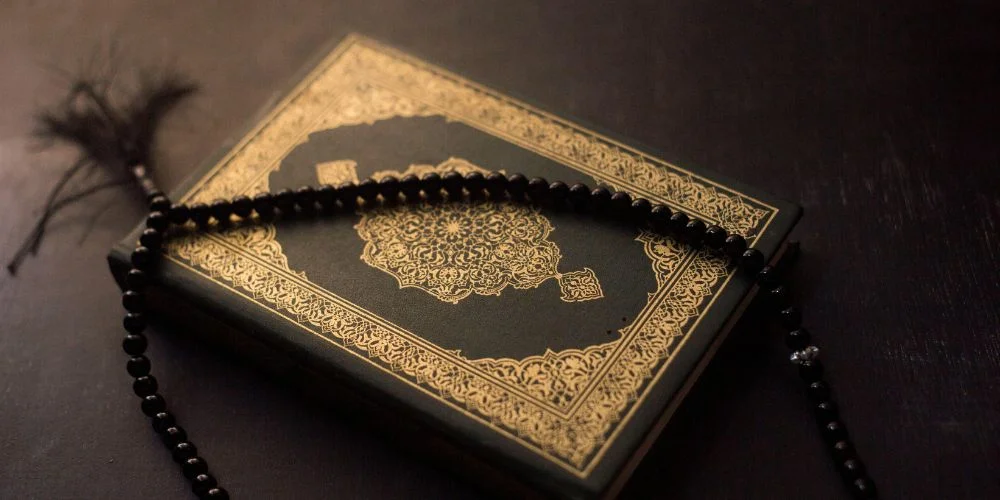
Most Muslims grow up hearing about Jahannam from a young age. It comes up on Friday khutbahs, in a parent’s warning, in the middle of Quran recitation class. But somewhere along the way, it becomes background noise. Something acknowledged but never truly understood. Through the Quran Class, you will receive a detailed guide on what hell in Islam is like.
Because Jahannam isn’t a story told to frighten children into good behaviour, it is a reality that the Quran describes in clear, direct and repeated detail. Allah mentions it over seventy times in His book.
What Is Jahannam?
Jahannam is the place of punishment in the Hereafter. It is where those who rejected Allah’s guidance, died upon disbelief or committed serious sins without repentance will face the consequences of their choices.
Islamic Theology For Hell
Every person reading this has touched something hot at some point and pulled away immediately. That instinct, that sharp, desperate need to escape the heat, gives a fraction of an idea of what is being described. What is being described is seventy times beyond that.
Understanding this isn’t supposed to cause despair. It’s supposed to cause clarity.
The Reason It Exists
A question many people carry but rarely ask out loud is this: how does a Merciful God create a place of eternal punishment?
The answer for hell in Islam provides is grounded in justice.
This world is full of people who cause harm and face no consequence. Oppressors who die peacefully. People who destroy lives and walk away free. If this dunya were the final chapter, the scale would never balance. The widow whose husband was murdered unjustly would have no justice. The orphans left destitute by greed would have no reckoning on their behalf.
Jahannam exists because genuine justice requires it. It is the consequence of free will deliberately and persistently misused. Allah is Al-Ghafoor, endlessly forgiving. He is also Al-Adl, perfectly just. Both are equally true and both are fully expressed in how the Hereafter is structured.
The Seven Layers Of Hell
1. Jahannam The First Level
The opening level. Those who lived in general heedlessness, who turned away from the truth without extreme deliberate wickedness, are placed here. Severe beyond imagination by worldly standards, yet the least intense of the seven.
2. Ladhah The Second Level
Named for a blazing, all-consuming fire. This level is connected to arrogance, those who recognised Allah’s signs and rejected them out of pride. The Prophet was explicit that even a grain of arrogance is incompatible with Jannah. Ladhah reflects the weight of that warning.
3. Hutamah The Third Level
The word means “the crusher.” The Quran describes it as a fire that climbs all the way to the heart, not just burning skin, but reaching inward. This level is for those who made wealth their purpose. Who hoarded it, protected it and let other people suffer while they accumulated more. The thing they clung to in life becomes part of their punishment in the Hereafter.
4. Sa’ir The Fourth Level
This is the level of the hypocrites, the munafiqeen. The Quran speaks about them with a severity that can be surprising until one understands why. Hypocrisy involves deliberate deception of an entire community. Appearing to carry faith while quietly working against it. Praying in public, abandoning salah in private. Wearing the face of Islam as a social costume. The deception is what makes this sin so serious in Allah’s sight.
5. Saqar The Fifth Level
Surah Al-Muddaththir describes Saqar in terms that are hard to read lightly. The people of this level neither prayed nor fed the poor. They chased their desires into complete denial of the Hereafter. The Quran says of it: it does not spare and it does not leave. There is nothing gentle in that description and it was not meant to be.
6. Jahim The Sixth Level
Jahim is for those who committed serious wrongs against other people, oppression, violence, injustice and never sought forgiveness for it. Wrongs done against other human beings carry a unique weight in Islam because they aren’t just between a person and Allah. The one who was wronged has a claim. That reality makes the sins of this category particularly serious and Jahim reflects that.
7. Hawiyah The Seventh Level
The lowest point. The Quran describes it as a fall, “his refuge will be Hawiyah.” This level is reserved for those who were given every sign, every chance, every message and chose complete, deliberate rejection of Allah until the end. The darkness here has no bottom. The punishment has no interruption.
The Suffering Goes Beyond Fire
Physical pain from fire is what most people picture when Jahannam is described. But the Quran paints a fuller picture than that.
The people of Jahannam will be completely aware of everything they lost and every choice that led them there. Every salah is abandoned. Every person is wronged. Every moment, the truth was within reach and ignored. That awareness, conscious, permanent, inescapable regret is described as one of the deepest forms of torment.
They will ask for relief. None will come. They will ask for death. It will not arrive. In the absence of Allah’s mercy, the thing that holds all goodness in existence together will be felt as a weight unlike anything else they experience.
The Door Is Still Open
This is the most important part of the entire conversation.
Every person reading about Jahannam right now is still here. Still breathing. Still in the part of existence where choices can be made and changed.
Tawbah, sincere repentance, is not complicated. It doesn’t require a ceremony or an intermediary. It requires a heart that genuinely turns back, acknowledges what it did, stops the sin and intends not to return to it. Allah’s mercy is wider than any sin a person has committed. The Prophet told the ummah that Allah extends His hand in forgiveness throughout the day and throughout the night, right up until the last moment.
The practical path away from Jahannam and toward Jannah comes down to things that are known through genuine and righteous deeds from the heart. Following the Sunnah not as performance but as genuine love and trust in the Prophet, who was sent as mercy to all of mankind.
The Point of Knowing All This
Jahannam is real. Its seven levels are real. The suffering described within it is real. But so is Allah’s mercy. So is the repentance He accepts. So is the Jannah He has prepared for those who return to Him sincerely. Every decision carries weight. Every moment is borrowed time that didn’t have to be given. When you are reading this far, you may go for our Quran Tajweed Course as we welcome anyone of any age to learn. May Allah grant understanding to all who seek it and keep every sincere heart far from the punishment of Jahannam. Ameen.

