



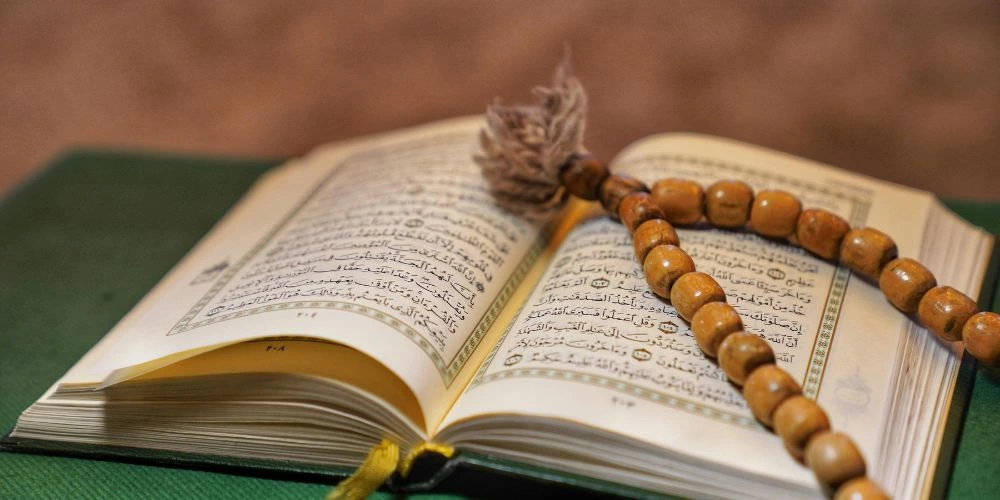
I wish I knew this before memorizing Asma ul Husna: Most people recite without reflection. But understanding each name shifts your entire relationship with Allah.
Many Muslims learn the 99 Names of Allah by heart. Fewer experience what they unlock.
These Names are more than memorization goals. They’re divine invitations. Each one like Al-Ghaffar (The Forgiving) or Al-Fattah (The Opener) is a door. A door to inner calm. A door to answered prayers. A door to stronger belief even when life gets messy.
The real gift isn’t just the reward of Paradise. It’s the spiritual transformation that happens here and now. Each name softens the heart, calms the mind, and reminds you of who is in control. When you connect to them, prayers become more profound. You become more patient. And your perspective gets more clarity.
This guide is for everyone seeking practical meaning from Asma ul Husna in everyday life.
Origins of Allah’s Names in Quran and Hadith
وَلِلَّهِ ٱلْأَسْمَآءُ ٱلْحُسْنَىٰ فَٱدْعُوهُ بِهَا ۖ وَذَرُوا۟ ٱلَّذِينَ يُلْحِدُونَ فِىٓ أَسْمَـٰٓئِهِۦ ۚ سَيُجْزَوْنَ مَا كَانُوا۟ يَعْمَلُونَ ١٨٠
Allah has the Most Beautiful Names. So call upon Him by them, and keep away from those who abuse His Names. They will be punished for what they used to do — Dr. Mustafa Khattab, The Clear Quran
Surah Al-A’raf (7:180) closes with: “Allah has the Most Beautiful Names.…” a verse that confirms their divinity and perfection. But that’s not all. The Prophet Muhammad ﷺ said clearly:
Narrated Abu Huraira: Allah’s Messenger (ﷺ) said, “Allah has ninety-nine Names, one-hundred less one; and he who memorized them all by heart will enter Paradise.” To count something means to know it by heart.
Reference: Sahih al-Bukhari 7392
That hadith often gets misunderstood. It’s not just about rote learning. Scholars explain “memorize” here means to know, reflect, act upon, and live by these Names.
These Names reinforce tawheed which is the core Islamic belief in Allah’s oneness. They affirm perfection and deny flaw. Saying Al-Ḥayy (ٱلْحَيّ) which means “Ever Living” reminds you He is forever.
Whispering Al-Qādir, which meansThe All-Powerful or The Omnipotent, during hardship reminds you that no struggle is outside His control.
When people consistently recite the Names, especially in the morning and evening, many report emotional healing and clarity. As taught in our Quran memorization courses, where we provide structured memorization with reflection often leads to stronger focus in prayer and reduced anxiety during trials.
Core Names and Their Profound Meanings
Every Name carries a layer of beauty and guidance. But some stand out as deeply transformative in daily life.
Ar-Rahman (The Most Merciful) isn’t limited to believers. It’s a mercy that wraps all of His creation. Trees, air, food, sleep, even unexpected ease during pain, are signs of Ar-Rahman’s reach. Recognizing this softens your heart toward others, too.
Al-Noor (The Light) is often recited when feeling lost. It’s the light that guides both externally (life direction). And internally (spiritual clarity). Students who reflect on this Name often say they were able to make better decisions during times of confusion.
Al-Saboor (The Patient) offers comfort during trials. Unlike human patience that wears thin. His patience is perfect. Remembering or reciting this name while struggling through delayed dreams or injustice helps develop endurance without resentment.
Al-Mu’min (The Giver of Faith) strengthens belief. Especially when surrounded by doubt online or internally. Reciting Al-Mu’min reminds you that faith itself is a gift. This often anchors those who fear “losing” their iman or feel shaky in their practice.
Reflecting on them, journaling, and using them in supplication strengthen resilience and redirect thoughts toward trust.
Practical Ways to Embrace the Beautiful Names of Allah
Turning these Names into part of your daily rhythm doesn’t require hours. It requires intention.
Start small: print out the Names and place them somewhere visible and clean. Then every morning and evening, recite a few out loud.
You’ll see that reciting them will become your second nature. For deeper transformation, focus on just one Name each day. Reflect. Write about it. Observe how it shows up in your life. Apps like “Asma Al Husna Daily” send reminders and reflections to support this.
Teaching children? Use stories. Let them hear how Al-Ghafoor forgives a child who makes a mistake, or how Ar-Razzaq provides for a family during difficulty. This storytelling method, especially with journaling, helps the Names stick emotionally.
Unable to stay consistent? Enroll in our Quran memorization course from Quran Class, where we provide structured modules that not only help you memorize but also understand each Name in depth, taught by scholars.

